
7 Signs It’s Time to Remove a Tree (Not Just Trim It)
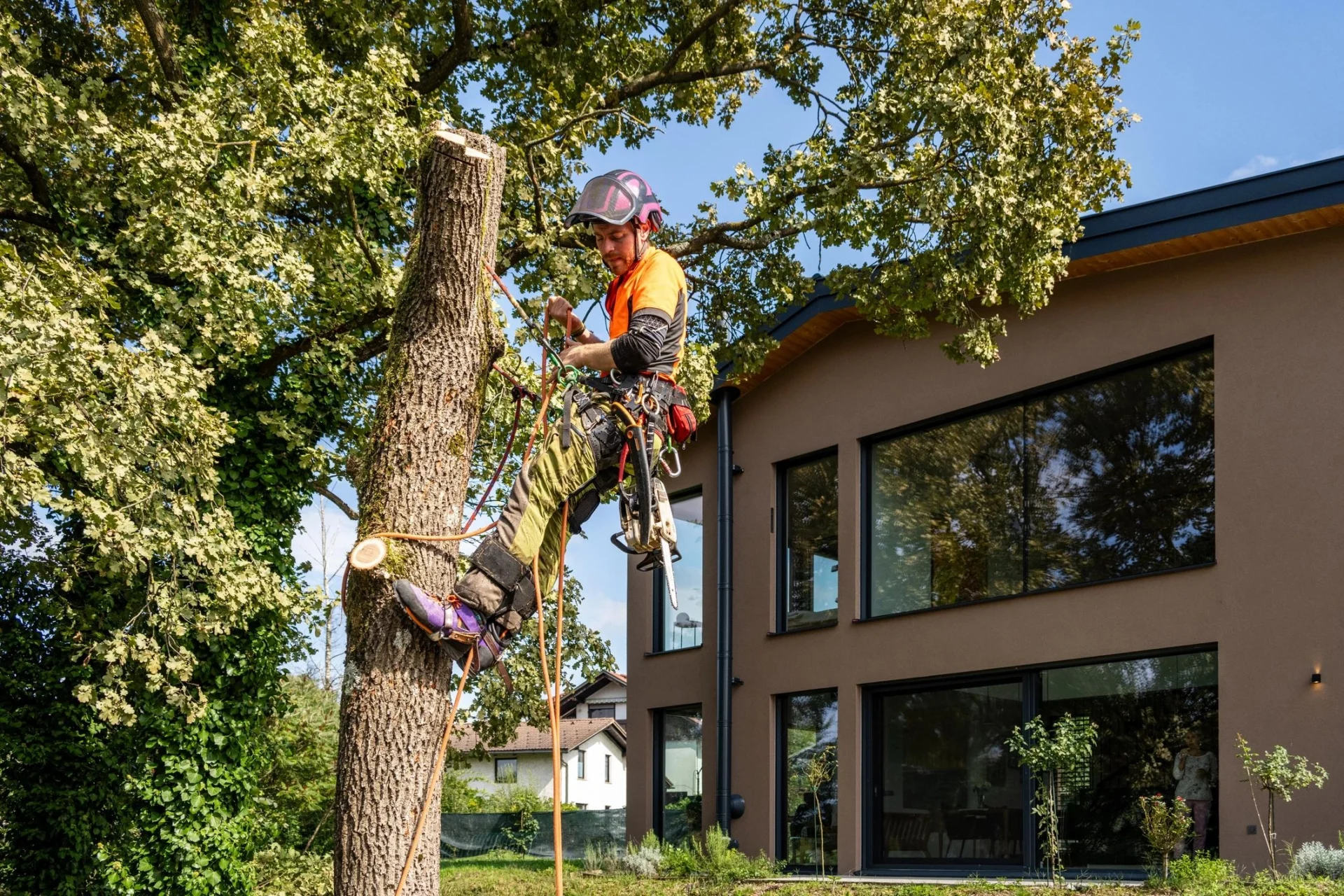
Not every tree problem can be solved with a trim. Here are seven clear signs that removal is the safer, smarter choice — and what to do next.
Tree removal is a last resort — but sometimes it’s the right call. Holding onto a tree that should come down can put your property, your family, and your neighbors at risk. Here are seven signs it’s time to remove rather than maintain.
1. More than 50% of the tree is dead or damaged. A tree that has lost more than half its canopy to disease, storm damage, or drought is unlikely to recover. The cost of ongoing maintenance exceeds the value of keeping it.
2. The trunk has significant decay. Soft wood, fungal growth at the base, or hollow sections indicate structural failure. A tree with a compromised trunk can fall without warning.
3. The tree is leaning — and it wasn’t before. A sudden lean, especially after a storm or heavy rain, indicates root failure. This is an emergency situation.
4. Large dead branches over structures or high-traffic areas. Dead wood falls. If it’s over your roof, driveway, or a play area, it needs to come down — the branch or the tree.
5. The roots are lifting pavement or damaging foundations. Aggressive root systems can cause tens of thousands of dollars in structural damage. Removal plus stump grinding is often cheaper than the alternative.
6. The tree has a serious pest infestation. Some infestations — particularly bark beetles and certain borers — are fatal and can spread to neighboring trees. Early removal can protect the rest of your landscape.
7. It’s in the wrong place. A tree planted too close to a structure, power line, or septic system may need to come out before it becomes a hazard, regardless of its health.
If you’re seeing any of these signs, call us for a free assessment. We’ll give you an honest recommendation — and if the tree can be saved, we’ll tell you that too.